
 By fork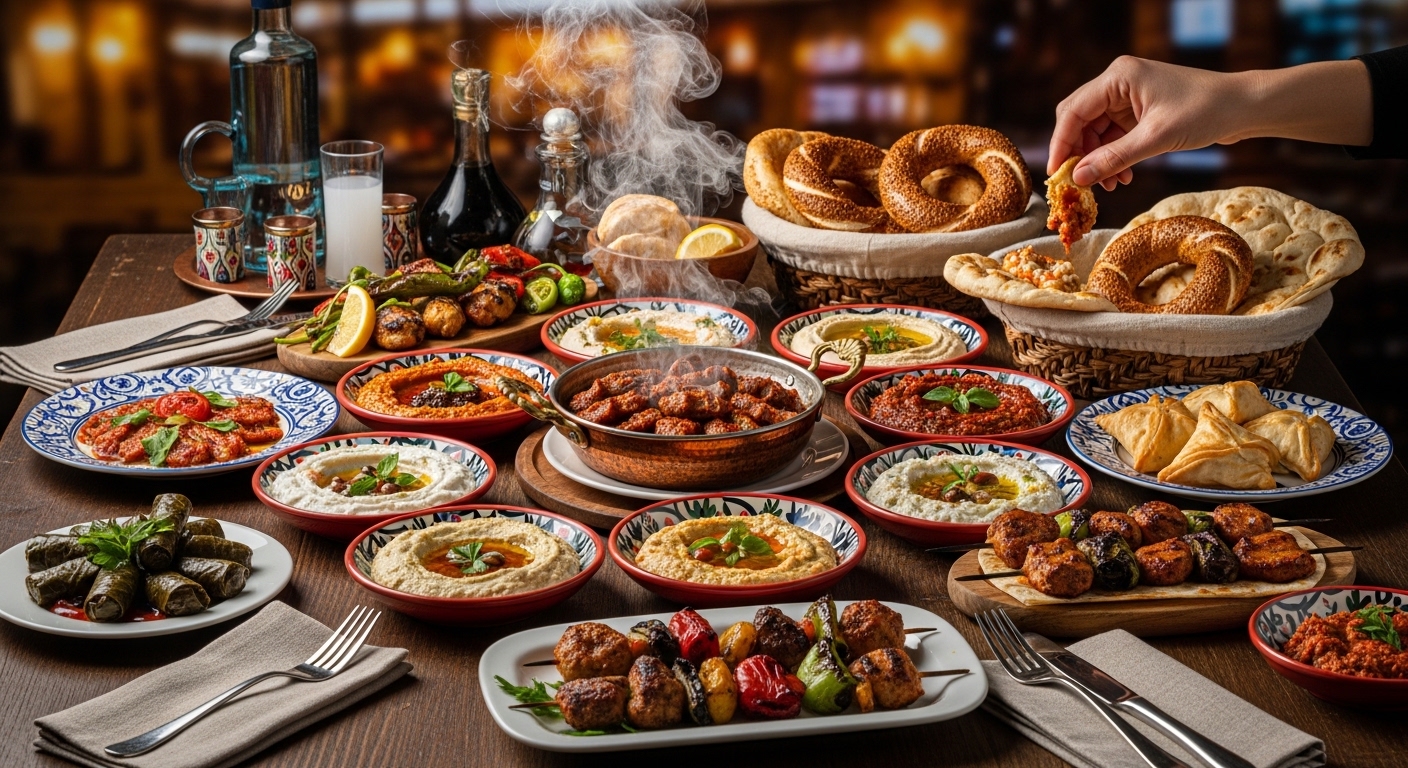
Turkey is a treasure trove of flavors, colors, and aromas. Its cuisine reflects centuries of history, cultural exchanges, and regional diversity. From bustling bazaars to quaint villages, every corner offers unique culinary delights that tell the story of its people.
One dish that stands out in this vibrant tapestry is Çievri. This traditional specialty showcases Turkey’s rich gastronomy like no other. As we embark on this flavorful journey through Turkey’s diverse kitchen, prepare your taste buds for an adventure filled with must-try dishes, fragrant spices, and unforgettable experiences. Whether you’re planning a trip or looking to recreate these tastes at home, there’s something here for everyone who loves good food!
Regional Differences and Influences
Turkey’s culinary landscape is a tapestry woven from its rich history and diverse geography. Each region offers distinctive flavors, ingredients, and cooking techniques that reflect the local culture.
In the north, Black Sea cuisine shines with fresh fish and corn-based dishes. Here, hamsi (anchovies) takes center stage.
Moving southward to Anatolia, you’ll discover hearty stews and mezes that showcase legumes and grains. The use of lamb in various forms highlights the pastoral heritage of this area.
The Aegean coast introduces olive oil as a staple ingredient. Vegetables are often prepared in refreshing salads or as stuffed dishes like dolmas.
Then there’s Istanbul—a melting pot where eastern traditions mingle with western influences. Spices from far-flung lands create an aromatic depth not found elsewhere.
Every bite tells a story shaped by history, climate, and culture—making each regional dish truly unique.
Must-Try Dishes in Istanbul, Ankara, Izmir, and Other Cities
Istanbul, a melting pot of flavors, offers dishes like the iconic kebab. Try the Adana kebab for its smoky spice and tender meat.
In Ankara, savor the local favorite: döner. This juicy dish is often served in a sandwich or on a plate with rice and vegetables.
Izmir brings something different to the table with its seafood. Don’t miss out on midye dolma—stuffed mussels that burst with flavor.
Traveling to Gaziantep? Sample their famous pistachio baklava. The blend of flaky pastry and sweet syrup makes it irresistible.
Each city has unique culinary treasures waiting to be discovered. Whether it’s meze in Mersin or lahmacun in Hatay, every bite tells a story steeped in tradition and local produce.
The Role of Spices and Herbs in Turkish Cooking
Turkish cuisine is a vibrant tapestry of flavors, with spices and herbs playing a vital role in its identity. Each region boasts unique blends that define local dishes.
Sumac adds a tangy kick to salads, while cumin enriches meat-based recipes. The warmth of cinnamon can transform sweet pastries or savory stews into something extraordinary.
Fresh herbs like parsley and mint are staples too. They brighten up dishes and introduce fresh aromas that tantalize the senses. Dill finds its place in yogurt sauces, enhancing their creaminess.
Saffron’s luxurious touch elevates rice pilafs to new heights, making them unforgettable companions for grilled meats. Meanwhile, paprika contributes both color and depth to many traditional meals.
Whether it’s a sprinkle of dried oregano on kebabs or cardamom infused in desserts, these ingredients create harmony within each dish—transforming simple ingredients into culinary masterpieces across Turkey’s rich gastronomy landscape.
Street Food Culture in Turkey
Street food in Turkey is a vibrant tapestry of flavors and aromas. The bustling markets and lively streets serve as open-air kitchens where culinary magic happens daily.
From simit, the sesame-crusted bread rings found in Istanbul, to döner kebabs sizzling on vertical spits, there’s something for everyone. Each city offers its own specialties that reflect local tastes and traditions.
Vendors shout their specialties with pride as locals and tourists alike gather around. The atmosphere is electric, filled with laughter and the tantalizing scent of grilled meats mingling with fresh herbs.
Don’t miss out on gözleme—thin flatbreads stuffed with cheese or spinach—and balık ekmek, a fish sandwich from the Bosphorus.
These quick bites not only satisfy hunger but also provide a glimpse into Turkey’s rich culinary heritage. Eating street food here is more than just dining; it’s an experience steeped in culture and community.
Traditional Desserts and Sweets
Turkish desserts are a celebration of flavor and tradition, often served during special occasions. Each bite tells a story steeped in culture.
Baklava is perhaps the most famous. Layers of flaky pastry embrace chopped nuts, all drenched in syrup or honey. It’s rich and indulgent.
Then there’s künefe, a delightful concoction made from shredded dough soaked in sweet syrup, layered with cheese for that perfect balance of sweetness and saltiness.
Don’t overlook lokum, also known as Turkish delight. This chewy treat comes in various flavors like rosewater or pomegranate, dusted with powdered sugar for an added touch.
Sütlaç offers a creamy rice pudding experience topped with cinnamon—a comforting end to any meal.
These sweets not only satisfy cravings but also offer glimpses into Turkey’s vibrant heritage through their textures and tastes.
Popular Beverages and Drinks
Turkish beverages are as diverse and rich as its cuisine. One of the most iconic is Turkish tea, brewed strong and served in delicate tulip-shaped glasses. It’s a staple for social gatherings, enjoyed throughout the day.
Coffee also holds a special place in Turkish culture. Known for its unique preparation method, Turkish coffee is boiled with finely ground beans and served unfiltered. The thick brew offers an intense flavor that’s often sweetened.
Don’t overlook Ayran, a refreshing yogurt-based drink perfect for hot summer days. This tangy beverage pairs well with spicy dishes.
For those seeking something stronger, Raki—an anise-flavored spirit—is the traditional choice during meals or celebrations. It’s often diluted with water, transforming into a milky-white elixir that complements grilled meats beautifully.
Fresh fruit juices are abundant at local markets. Pomegranate and orange juice capture the essence of Turkey’s vibrant flavors in every sip.
Tips for Authentic Turkish Dining Experiences
To truly savor Turkish cuisine, seek out local eateries away from tourist traps. Family-run restaurants often offer the most authentic flavors and warm atmospheres.
Don’t hesitate to ask for recommendations. Locals take pride in their culinary heritage and can guide you towards hidden gems on menus.
Embrace sharing platters known as “meze.” This allows you to sample a variety of dishes at once, enhancing your dining experience.
Pair your meal with traditional drinks like ayran or rakı. These beverages elevate the flavors of the food and add an extra layer of authenticity.
Take time to appreciate mealtimes; they’re seen as social gatherings rather than just a chance to eat. Engage with those around you, share stories, and enjoy each bite together for a more enriching experience.
Bringing a Taste of Turkey into Your Own Kitchen
Bringing a taste of Turkey into your kitchen is an adventure worth embarking on. Start by stocking up on essential ingredients that define Turkish cuisine. Think fresh herbs, vibrant spices like sumac and paprika, and quality olive oil.
Experiment with popular dishes such as köfte or stuffed grape leaves. Each recipe tells a story, connecting you to the rich culinary heritage of Turkey.
Don’t forget about the flatbreads—make your own pide or try simit for breakfast. These simple yet delightful recipes can transport you right to Istanbul’s bustling streets.
For dessert lovers, baklava and kunefe are must-try treats. The sweet layers of pastry paired with nuts create a heavenly experience.
Consider hosting a Turkish-themed dinner party. Share these flavors with friends while enjoying lively conversation over homemade meze platters—a celebration of community and culture in every bite!
Conclusion
Turkish cuisine is a vibrant tapestry woven from rich history, regional traditions, and cultural influences. Exploring the culinary delights of Turkey opens up a world of flavors that can excite any palate. Each city offers its own specialties, making dining in Turkey an adventure.
From the bustling streets of Istanbul to the quieter corners of Ankara and Izmir, every dish tells a story. The use of spices and herbs elevates these meals even further, showcasing how integral they are to Turkish cooking. Street food brings this culture to life—enjoying fresh simit or döner while wandering through markets is an experience like no other.
Don’t forget about desserts! Traditional sweets such as baklava or künefe offer perfect endings to your meals. And when it comes to drinks? Turkish tea and raki provide unique tastes that complement any gathering.
For those wanting an authentic dining experience in Turkey, embrace communal eating at meze tables or visit local eateries where traditional recipes have been passed down through generations.
If you’re inspired by what you’ve learned here about and want to recreate these flavors at home, start with simple dishes using fresh ingredients available in your area. Your kitchen can become a little corner of Turkey with just a few touches!
Exploring Turkish cuisine is truly a journey worth taking—a celebration of taste that connects people across borders through shared experiences around food.