
 By fork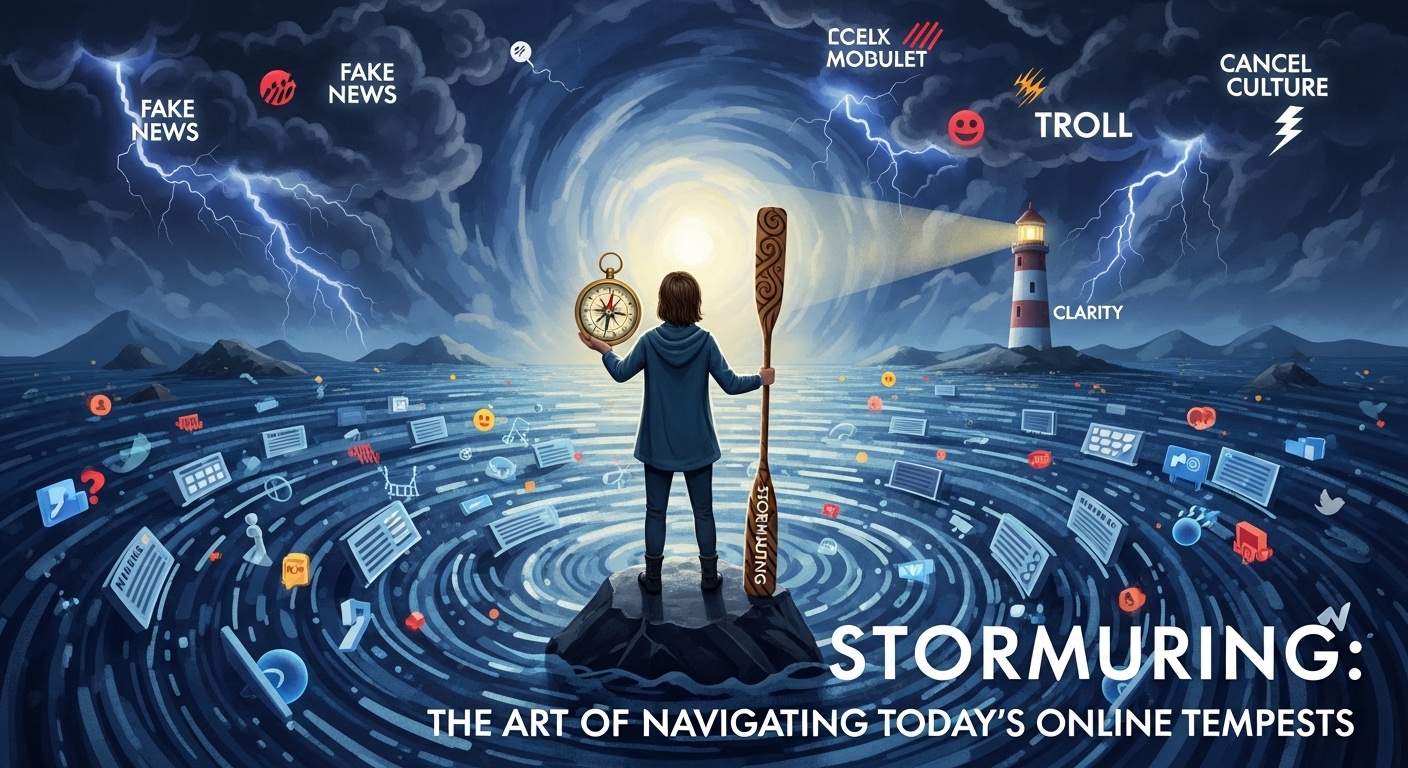
The digital landscape is a wild and unpredictable place. It’s where ideas can spread like wildfire, but so can negativity. With the rise of social media, we find ourselves navigating treacherous waters filled with opinions, conflicts, and sometimes outright hostility. This phenomenon has given birth to a new term: stormuring. You might have heard it whispered in online forums or buzzing around your social feeds. But what exactly does it mean? As we dive into this complex world of online interactions, understanding stormuring becomes essential for anyone looking to maintain their sanity while engaging in today’s digital chatter. Let’s explore how these storms brew and how you can better navigate through them without getting swept away.
Understanding the Digital World: The Rise of Social Media and its Impact
The digital world has transformed the way we communicate, share, and interact. Social media emerged as a powerful tool for connection, allowing people to engage with others across the globe in real time.
Platforms like Facebook, Twitter, Instagram, and TikTok have redefined relationships. They make it easy to showcase personal lives while also fostering communities based on shared interests. This shift has created an environment where voices can be amplified—both positively and negatively.
As users increasingly express opinions online, they often do so without filters or consequences. The immediacy of reactions can lead to rapid escalation of conflicts and misunderstandings.
Moreover, social media plays a significant role in shaping public discourse. Trending topics can ignite debates that ripple through society at lightning speed. With this power comes responsibility; navigating these waters requires awareness of how our words impact others.
What is Stormuring? The Definition and Origin of the Term
Stormuring is a relatively new term that captures the essence of navigating turbulent online waters. It refers to the act of engaging with or causing upheaval in digital spaces, often characterized by heated debates and intense emotional responses.
Originating from a blend of “storm” and “murmuring,” this concept reflects how discussions can escalate into chaotic exchanges. Social media platforms serve as breeding grounds for these phenomena, where users express their opinions passionately, sometimes leading to conflicts.
The term highlights not just the chaos but also the strategic aspects involved. Stormurers often navigate through controversies with varying intentions—some seeking truth while others may thrive on drama. Understanding stormuring opens up avenues for exploring human behavior within our interconnected world.
Types of Stormurers: Identifying Different Behaviors Online
Stormurers come in various forms, each displaying unique online behaviors that contribute to the chaotic nature of digital interactions.
First, there are the critics. These individuals thrive on dissecting and debating viewpoints. Often loud and assertive, they can escalate discussions into full-blown arguments.
Then we have the trolls. Their primary goal is disruption. They provoke others for amusement, often leaving a trail of frustration and anger behind them.
Next up are the defenders—those who jump into battles to protect someone or something they believe in. While their intentions may be noble, their fervor can sometimes intensify conflicts instead of resolving them.
We encounter the bystanders. These users observe without engaging but often fuel situations through likes or shares, making them complicit participants in online storms even if they don’t directly join the fray.
Why Do People Engage in Stormuring? The Psychology Behind It
People engage in stormuring for various reasons, often rooted in deep psychological needs. The desire for validation drives many to partake in online conflicts. By aligning with a group or a cause, individuals can feel a sense of belonging and purpose.
Additionally, anonymity plays a crucial role. Behind screens, people may shed their inhibitions and express frustrations that they wouldn’t dare voice in real life. This detachment can amplify aggressive behaviors.
For some, it’s about power dynamics. Stormurers might feel empowered by taking on the role of judge and jury over others’ actions or beliefs. This shift allows them to exert control that they lack elsewhere.
There are those who thrive on chaos itself. The drama fuels excitement and engagement—an addictive cycle that keeps them coming back for more turmoil.
The Consequences of Stormuring: From Cancel Culture to Cyberbullying
Stormuring can lead to significant fallout, impacting individuals and communities alike. One of the most notable consequences is cancel culture. Public figures and everyday users alike face backlash for their words or actions. A single misstep can result in a tidal wave of criticism that overwhelms them.
Cyberbullying often rears its ugly head in these tempestuous online environments. Anonymity emboldens some to unleash harassment or threats, creating a toxic atmosphere for victims who may feel trapped.
The emotional toll on those targeted can be profound. Anxiety, depression, and isolation are common responses as victims navigate the storm created by relentless scrutiny.
Moreover, the ripple effects extend beyond individual experiences. The erosion of trust within communities can hinder open dialogue and stifle creativity as people fear repercussions for expressing themselves authentically amidst growing tensions online.
How to Navigate Online Tempests: Tips for Dealing with Stormurers
When faced with stormurers, the first step is to pause. Take a breath before reacting. Quick responses can escalate tensions.
Consider your options carefully. Engage thoughtfully or choose silence; sometimes stepping back speaks volumes.
Establish boundaries. If someone crosses a line, don’t hesitate to address it directly but calmly. Clear communication often prevents misunderstandings.
Cultivate empathy toward others’ perspectives while maintaining your stance. Understanding doesn’t mean you agree, but it fosters respect in heated discussions.
Seek support from friends or communities that share your values. They can provide perspective and strength during challenging interactions.
Remember to protect your well-being by limiting exposure to toxic environments online. Prioritize spaces where constructive dialogue thrives rather than chaos reigns supreme.
Conclusion
Navigating the digital landscape today requires a keen understanding of its complexities. As we’ve explored, stormuring has emerged as a significant phenomenon within this realm. Recognizing the behaviors associated with it is crucial for anyone engaging online.
The rise of social media has amplified voices but also created a breeding ground for conflict and misunderstanding. The motivations behind stormuring vary widely, rooted in psychology that often reflects deeper societal issues. Cancel culture and cyberbullying exemplify some serious consequences, affecting individuals and communities alike.
Equipped with strategies to manage these encounters can empower users to navigate online challenges more effectively. Approaching discussions with empathy, maintaining awareness of differing perspectives, and knowing when to disengage are all vital skills in today’s digital age.
As technology continues to evolve, so too will our methods of communication and interaction online. Understanding stormuring is just one step toward fostering healthier conversations in an increasingly polarized environment.